Mill Valley Luxury Home Staging With a Design-Led Edge
May 28, 2026
May 28, 2026
When your home is already valuable, it can be tempting to think the market will do the rest. In Mill Valley, that is rarely the full story. In a fast-moving luxury market where buyers expect polished presentation from the first photo to the final walk-through, design-led staging can help your home feel memorable, cohesive, and worth serious attention. Let’s dive in.
Mill Valley is not a market where presentation is optional. As of late April 2026, Zillow reported a median sale price of $2,183,333 and median days to pending of just 11. BAREIS MLS also reported April 2026 closed sales averaging $2,668,134, with average days on market of 21.
That pace matters because buyers often make quick decisions, especially online. Zillow also showed a median sale-to-list ratio of 1.011, with 45.8% of sales closing above list price. In a market like this, thoughtful staging supports the impression that your home is ready, elevated, and aligned with buyer expectations.
The luxury angle matters too. Realtor.com reported a median listing price of about $1.995 million for Mill Valley, compared with $1.198 million for nearby San Rafael in late May 2026. That price gap helps explain why a design-led approach in Mill Valley often goes beyond basic tidying.
Staging is not the same thing as decorating for your own taste. The National Association of Realtors defines staging as presenting a property in a way that highlights its strengths and helps buyers imagine living there. Decluttering is part of that process, but it is only one step.
Design-led staging takes that idea further. Instead of simply removing excess items, it creates a clear visual story about the home. In a luxury listing, that may mean better-scaled furnishings, carefully chosen art, cleaner sightlines, and a calmer palette that lets architecture, finishes, and natural light do the work.
That distinction matters because luxury buyers often expect a home to look styled. NAR’s late-2025 luxury coverage notes that high-net-worth buyers respond to presentation that feels curated, with designer furnishings, elevated accessories, and art used thoughtfully. In other words, the goal is not to fill a room. It is to help buyers read the property as a complete lifestyle offering.
Most buyers meet your home online before they ever step inside. According to NAR, staged homes make buyers more willing to walk through a home they first saw online. That is especially important in Marin County, where many buyers are comparing several high-value properties and making early judgments quickly.
NAR also found that 83% of buyers’ agents said staging made it easier for buyers to visualize the property as a future home. Another 29% of agents said staging produced a 1% to 10% increase in the dollar value offered, while 49% of sellers’ agents said it reduced time on market.
At the upper end of the market, buyers also bring strong visual expectations with them. NAR reported in March 2026 that 58% of agents said buyers are disappointed when homes do not live up to TV-style staging expectations. That does not mean your home should feel artificial. It means the presentation should feel intentional, complete, and easy to understand.
Mill Valley has a distinct visual character, and that should shape how a home is staged. The city’s design guidance emphasizes compatibility with the natural and built setting, along with attention to windows, entries, scale, proportion, and facade articulation. It also discourages forms that feel oversized or visually heavy.
For staging, the practical takeaway is simple. Less is often more. A room usually reads better when furnishings are scaled correctly, pathways are open, and decor does not compete with the home’s architecture or views.
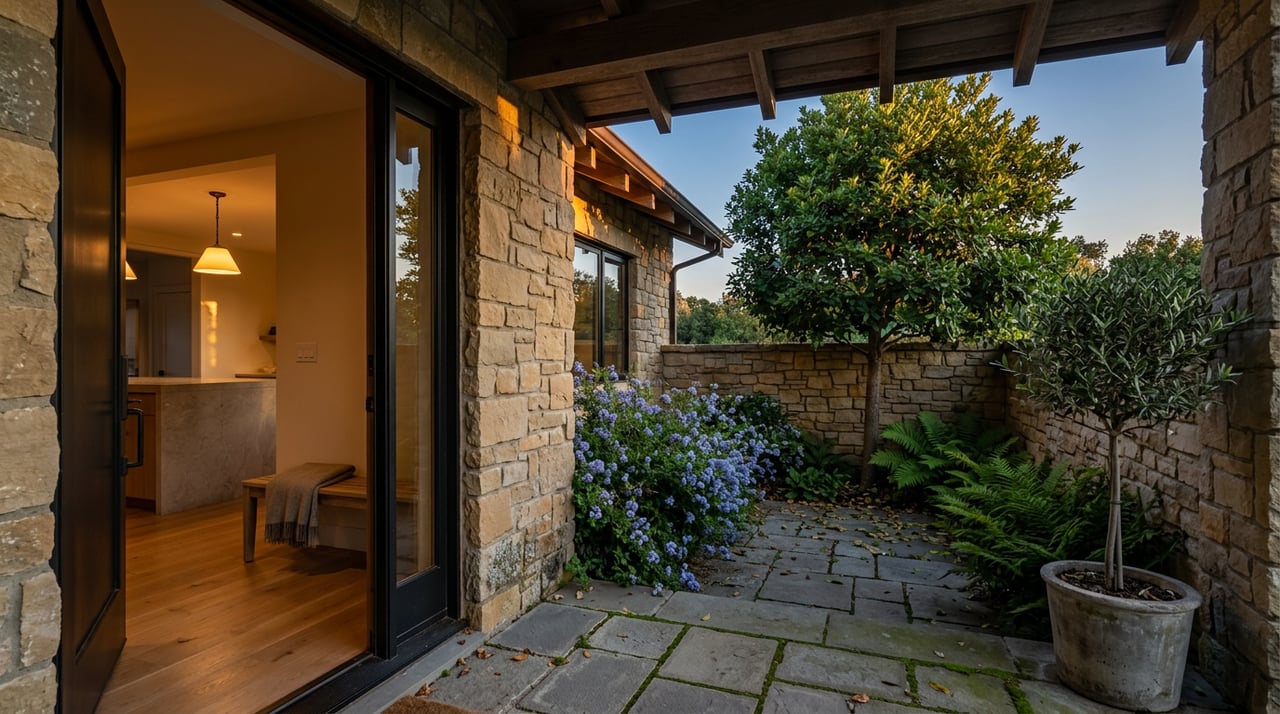
This is one reason design-led staging tends to work so well in Mill Valley. Many homes here draw buyers in with light, hillside settings, mature landscape, indoor-outdoor connections, or strong architectural lines. Staging should support those qualities, not distract from them.
Not every room carries the same weight during a showing. NAR found that the living room, primary bedroom, dining room, and kitchen are the spaces most commonly staged. Those are also the rooms where buyers often form their clearest emotional memory of a home.
The living room often sets the tone for the entire showing. In Mill Valley, that can mean arranging seating to emphasize windows, fireplaces, built-ins, or connections to decks and outdoor spaces. The room should feel open and conversational, not overfilled.
Bulky furniture can make even large spaces feel tighter than they are. A few well-scaled pieces usually perform better than too many smaller ones. One strong artwork or a restrained vignette can also create more impact than layers of competing decor.
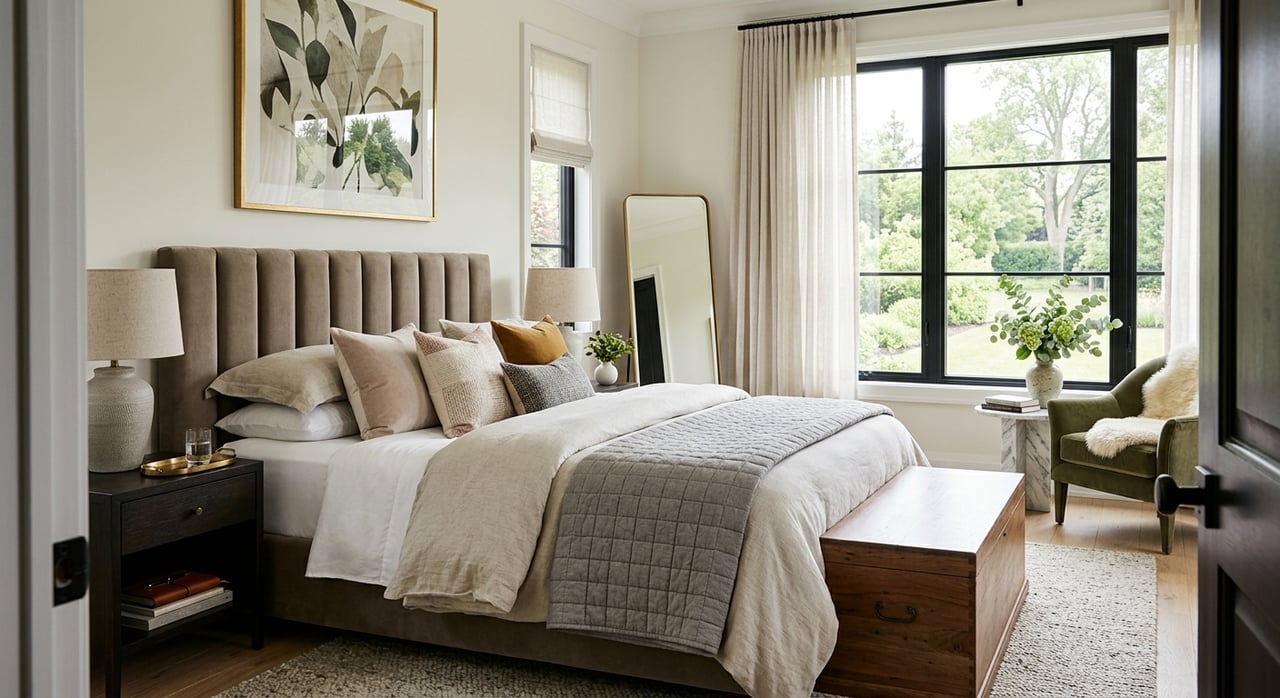
The primary bedroom should feel calm, spacious, and easy to inhabit. Buyers should understand where the bed belongs, how the room flows, and what kind of daily rhythm the space supports. Soft layers, clean surfaces, and minimal personal items help create that feeling.
This is also a space where visual quiet matters. If the bedroom has a view, architectural ceiling detail, or strong natural light, the staging should allow those features to stay front and center.
A dining room should show purpose without feeling formal for the sake of formality. In a luxury home, that usually means a simple, balanced table setting and enough breathing room around the furniture. Buyers should be able to picture gatherings there without feeling like the room is crowded.
If the space is open to other rooms, the dining area also needs to relate visually to the larger floor plan. Consistent scale and materials help the home feel cohesive.
Kitchens carry enormous weight in buyer decision-making. Styling should help the space feel functional, bright, and refined. Counters should stay mostly clear, with only a few carefully chosen elements.
The goal is not to erase personality completely. It is to remove noise. When a kitchen is visually edited, buyers are more likely to notice cabinetry, stone surfaces, layout, storage, and how the space connects to the rest of the home.
Lighting is one of the easiest ways to improve presentation, and one of the most overlooked. NAR notes that yellow or dim lighting can make a home feel smaller and less inviting, while whiter light can improve the showing experience.
In Mill Valley, lighting should also work with the home’s setting. The city’s design guidance emphasizes minimizing glare and excessive light effects. For staging, that points to a layered, even approach that makes finishes, art, and views easy to read without creating harsh reflections.
Before listing, it helps to look at each room at the same time of day buyers are most likely to visit. A simple bulb change, better lamp placement, or removal of heavy window coverings can make a home feel cleaner, brighter, and more expensive.
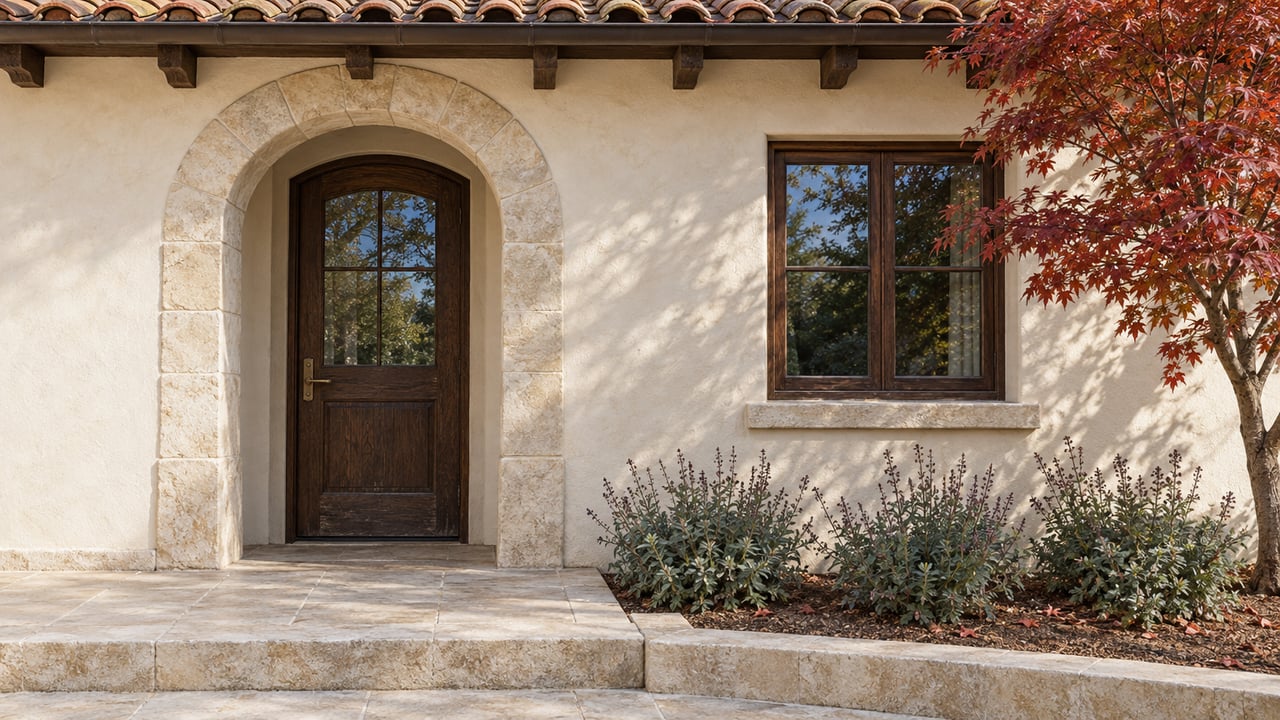
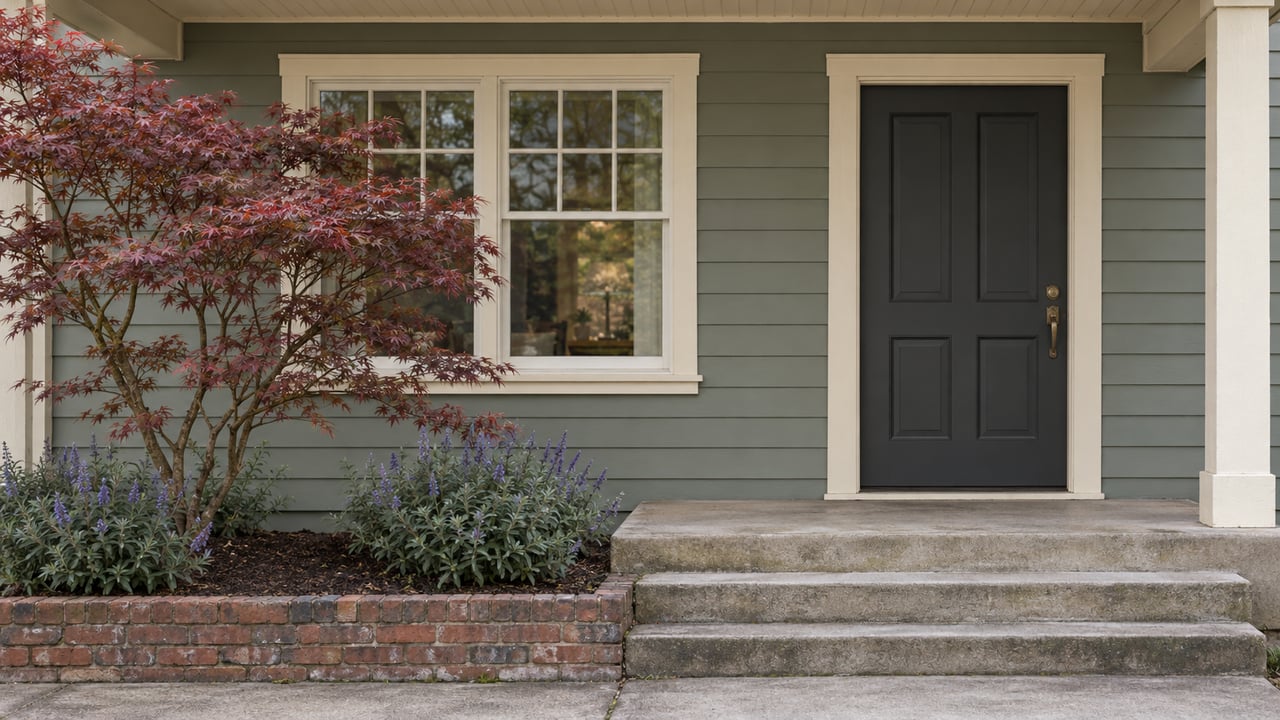
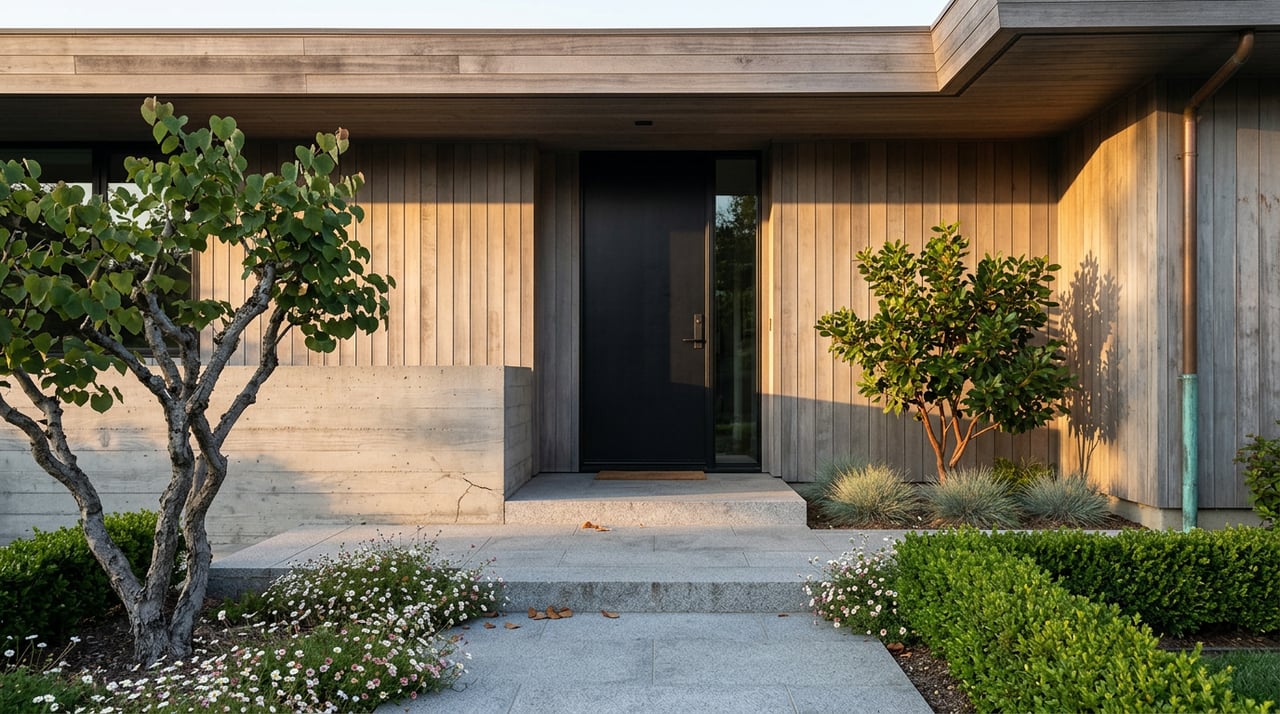
Buyers begin forming opinions before the front door opens. NAR notes that the yard is often the first thing buyers see, and that straightforward improvements like potted plants, flowers, and topiary can strengthen curb appeal. It also warns that peeling paint, rotted wood, worn siding, and similar deferred maintenance can create an immediate negative impression.
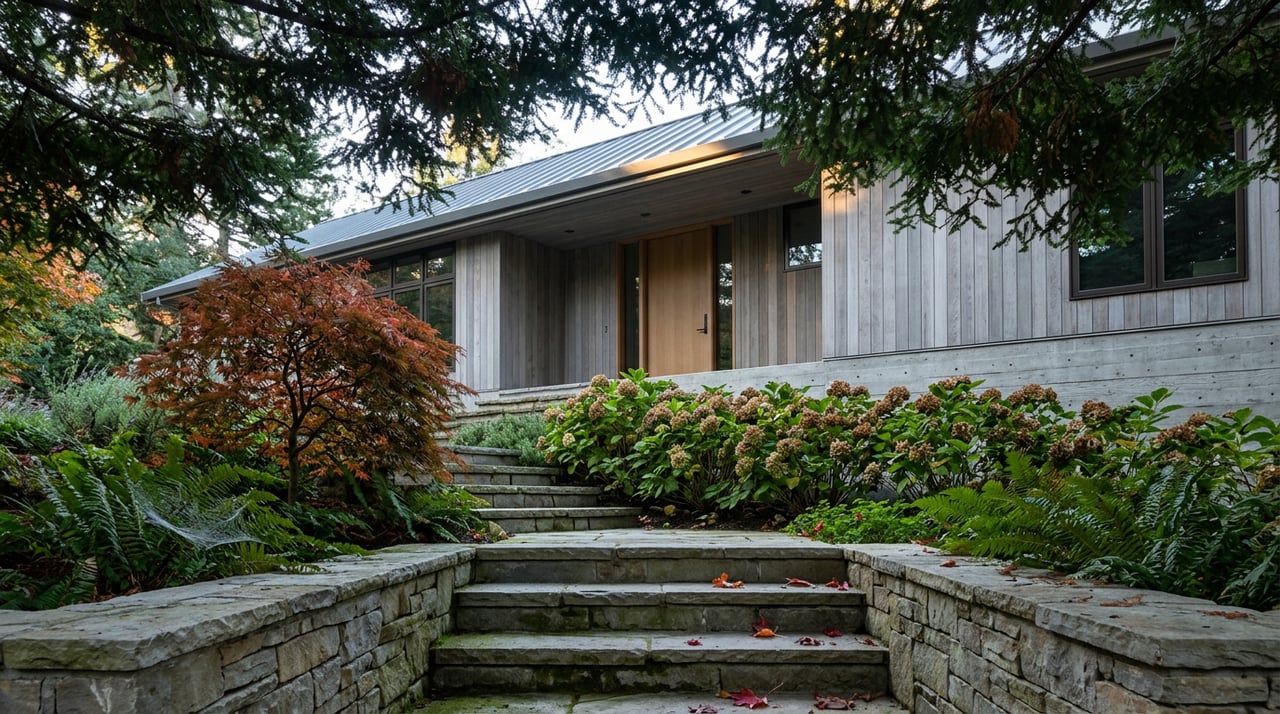
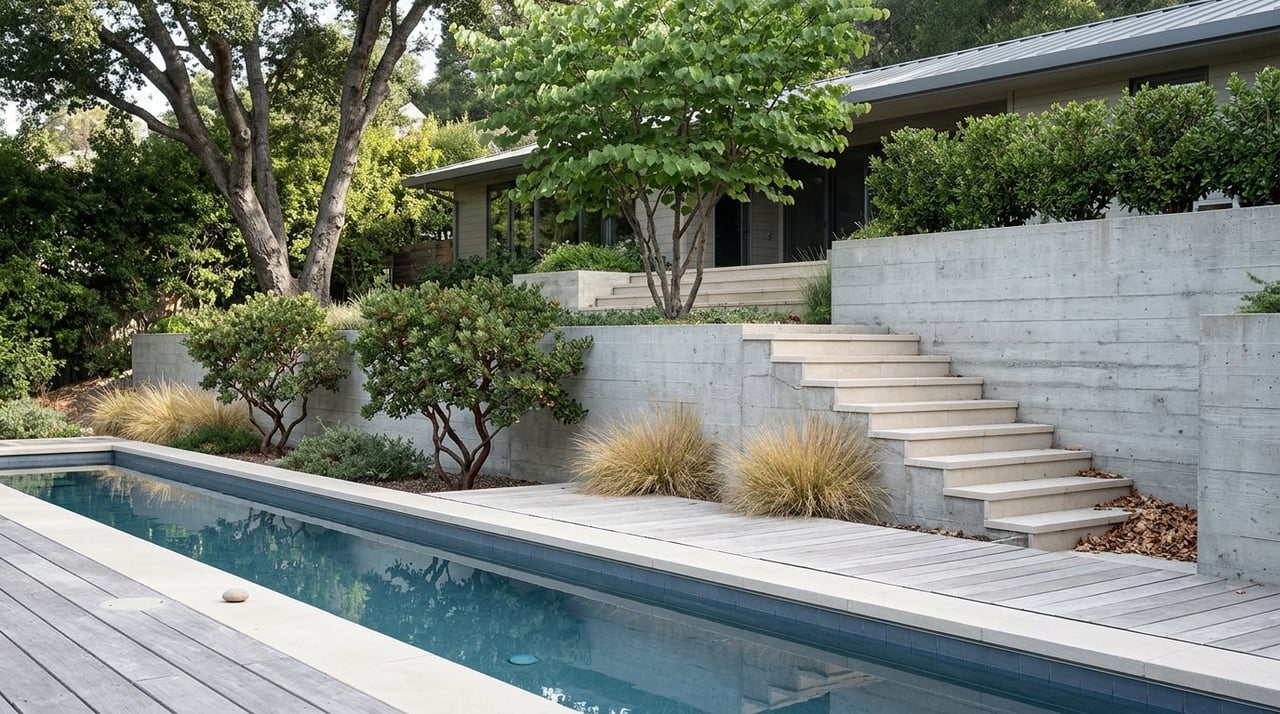
In Mill Valley, exterior presentation should feel polished but not overdone. The city’s General Plan emphasizes protecting natural beauty and small-town character, and local design guidance calls for site design that is compatible with the natural and built environment.
That means the approach to the home should feel calm and integrated with the setting. Trimmed landscaping, cleaned hardscape, repaired wear, and an uncluttered entry often do more than decorative excess. The goal is a strong first impression that still feels appropriate to the property and its surroundings.
Some sellers worry that improving presentation will lead to a long list of projects. In most cases, staging is far simpler than renovation. It focuses on styling, editing, lighting, furnishings, and minor presentation improvements rather than structural change.
That distinction matters in Mill Valley. The city reviews projects for compliance with local code, the General Plan, design guidelines, CEQA, and state planning law, and more substantial exterior or structural changes may trigger planning review. If you are considering anything beyond presentation, it is wise to confirm whether local approvals may be required.
For most sellers, though, the strongest return comes from selective preparation rather than major construction. The right plan highlights what is already there and avoids drifting into permit-heavy work unless there is a clear reason to do so.
Even beautiful homes can lose momentum if the presentation feels off. A few common issues can make a property feel less elevated than its price point suggests.
In a luxury listing, these details matter because buyers notice the difference between a home that is simply clean and one that feels fully prepared.
No two Mill Valley homes should be staged exactly the same way. A view property, a wooded setting, a contemporary renovation, and a classic Marin residence each call for a different visual strategy. The best staging plan responds to the architecture, scale, light, and likely buyer expectations for that specific home.
That tailored approach is where design-forward preparation can create real value. Instead of applying a generic formula, it helps shape a presentation that feels seamless, market-aware, and aligned with the level of the listing.
If you are preparing to sell in Mill Valley or elsewhere in Marin, a thoughtful staging strategy can help your home stand out for the right reasons. To explore a bespoke approach to pre-sale preparation, staging, and marketing, connect with Nathalie Kemp.
Stay up to date on the latest real estate trends.

We take a team approach with our clients, assuring that their decisions to either buy or sell are made with all the facts and current details at hand. Our goal is to keep the process smooth, fun, and simple, and to keep our clients well-informed and protected.