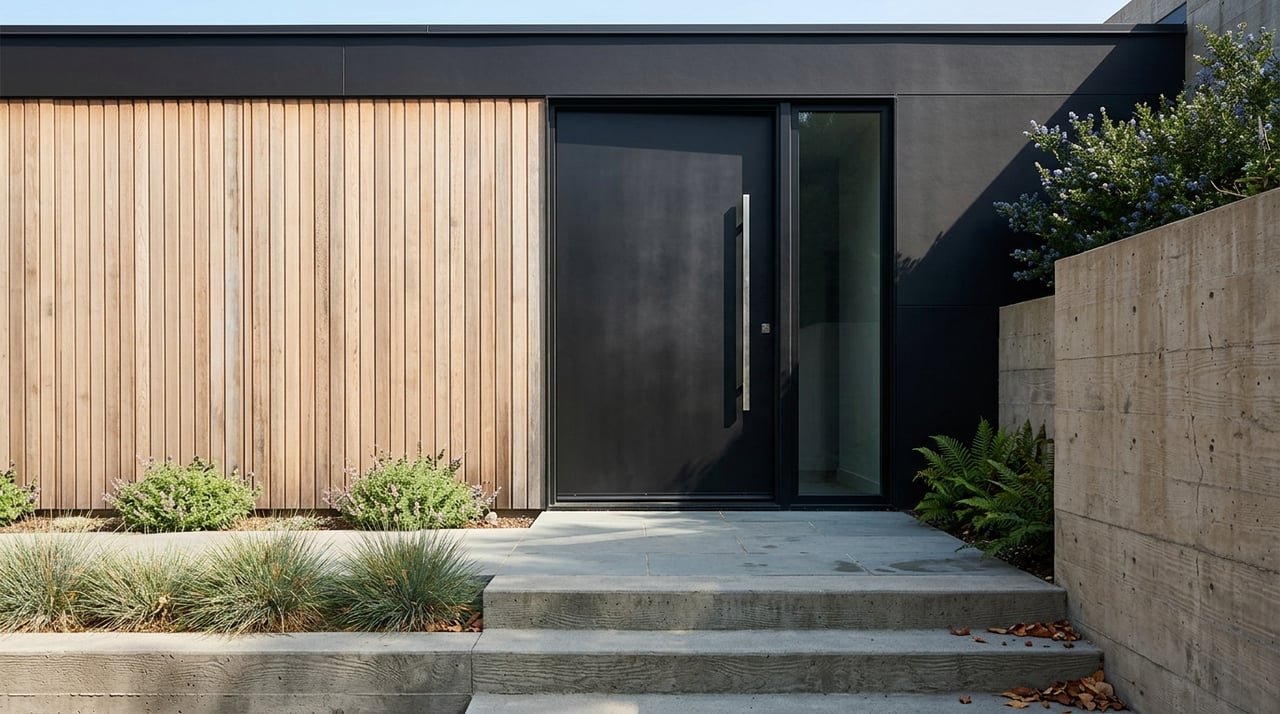
Sausalito Houseboats vs Hillside Homes: Which Suits You?
July 2, 2026
July 2, 2026
Choosing between a Sausalito houseboat and a hillside home is not just about views. It is about how you want to live day to day, what kind of upkeep feels manageable, and which risks and rules you are comfortable navigating. If you are weighing these two iconic Marin lifestyles, this guide will help you compare the tradeoffs with more clarity and confidence. Let’s dive in.
Sausalito is a small city of just 2.257 square miles, yet it offers two very distinct residential experiences. The city itself is closely identified with waterfront culture and picturesque hillside homes, which is why this decision feels so personal for many buyers.
It is also a competitive market. Redfin reported a median sale price of about $1.86 million in May 2026, with a median of 18 days on market. In a selective, low-inventory environment like this, understanding the differences early can help you act more decisively when the right property appears.
In Marin County, a floating home is a full-time residence on the water with no motor, a steady connection to shore utilities, and a permanent hookup to a shore-side sewage system. That means you are not buying a boat in the legal sense.
For tax purposes, Marin County assesses floating homes like real property rather than vessels. That distinction matters because it shapes how you think about ownership, value, and due diligence.
The floating-home community in and around Sausalito is also highly concentrated. The Floating Homes Association represents residents of more than 400 homes across five marinas, and Waldo Point Harbor alone describes itself as a privately owned 282-berth floating-home marina.
Sausalito’s planning language describes the city as a hillside community, and those elevated homes are a defining part of its character. For many buyers, hillside properties offer a more familiar single-family experience with the added draw of privacy, elevation, and wide outlooks.
That said, hillside living is rarely simple behind the scenes. Steep lots, narrow roads, and site-specific access can all affect remodeling, maintenance, and long-term planning.
If you are drawn to life directly on the bay, a floating home offers a very specific kind of experience. The appeal is not just water views. It is the day-to-day feeling of living in close relationship with the shoreline, dock life, and a long-established waterfront community.
Many buyers who favor floating homes are lifestyle-first. They tend to value the community aspect, the unusual setting, and the character that comes with living on Richardson Bay rather than simply near it.
Hillside homes usually appeal to buyers who want more separation and a more conventional detached-home feel. Sausalito’s own planning language connects hillside development with privacy, which helps explain why these homes often attract buyers who prioritize quiet, elevation, and visual sweep.
If your ideal home life includes a stronger sense of retreat, a hillside property may feel like the better fit. You may trade some convenience for that privacy, but for many buyers that is the point.
One of the most important differences is how floating-home ownership works. At Waldo Point Harbor, each home is privately owned and tied to a berth lease, which means your due diligence should include not just the home itself, but also berth terms and marina rules.
This is especially important because some famous floating-home addresses are in unincorporated Sausalito. In those cases, county-level rules may shape the ownership experience as much as city-level ones.
With hillside homes, the legal framework is more familiar to most buyers, but the physical constraints can be more demanding. Topography, road access, height limits, and fire-related requirements can all influence what you can improve or build over time.
If you are thinking about future projects, hillside due diligence should go beyond square footage and views. You will want a clear picture of access, slope conditions, and any practical limits on construction.
Floating homes do not come with traditional yard work, but they are not low-maintenance. Ownership often centers on pilings, dock access, utility hookups, pumps, and compliance with harbor rules.
Waldo Point Harbor advises annual piling inspections and notes that power outages can affect electric pumps used for holding tanks. In practical terms, owning a floating home can feel more like managing a compact marine infrastructure system than maintaining a conventional house.
Hillside homes shift the maintenance focus in a different direction. Drainage, grading, vegetation management, and fire hardening become central parts of responsible ownership.
Sausalito’s guidance for hillside projects notes that steep-area work can involve added grading costs and staging equipment such as cranes. Even relatively straightforward improvements may be more complex than they would be on a flatter lot.
Living on or near the shoreline naturally comes with water-related exposure. Sausalito’s sea-level-rise planning notes that shoreline flooding and erosion are already visible in places such as Gate 5 Road and local beaches.
The city also says the ferry landing and parking lot are vulnerable, and its shoreline-adaptation work is focused on protecting Bay access, transportation, utility corridors, and shoreline recreation. For floating-home buyers, waterfront living is beautiful and distinctive, but it should be evaluated with infrastructure resilience in mind.
Hillside properties face a different set of hazards. Marin County identifies steep terrain, variable geology, and heavy rainfall as contributors to landslide and debris-flow risk.
Sausalito’s 2019 mudslide on Sausalito Boulevard is a local reminder that slope instability can affect access and safety. Wildfire is another major factor, which is why the city emphasizes home hardening, defensible space, and evacuation planning.
Lifestyle is one thing, but daily movement matters too. Golden Gate Ferry provides daily service between Sausalito and San Francisco, with intervals ranging from 15 to 120 minutes depending on the day and season.
Parking also deserves more attention than many buyers expect. Sausalito actively manages parking with downtown municipal lots and residential permit areas in some neighborhoods, so loading, guest parking, and commute routines can become meaningful quality-of-life issues.
The city has also warned that flooding at the north end of Highway 101 could redirect traffic to narrow hillside roads. At the same time, the ferry landing and parking lot have their own sea-level-rise vulnerability. In other words, neither option is entirely insulated from access concerns.
If you are considering updates to a floating home, expect a more specialized approval process than you would for a typical detached house. Marin County’s current project examples show that new or altered floating homes may need floating-home exception approval if they exceed standards for height, length, or floor area.
That does not mean improvement is impossible. It does mean you should understand the approval path before you fall in love with a renovation vision.
Hillside homes can also be costly to modify, but for different reasons. Sausalito’s ADU guidance notes that hillside projects may require extra spending for grading and staging equipment, including cranes.
If your goal is to create a turnkey home over time, this is where local knowledge becomes valuable. What looks straightforward on paper may be more involved once terrain, access, and fire-related requirements are factored in.
While every decision is personal, there are clear patterns in what tends to appeal to different buyers.
No matter which direction you lean, a few early questions can save you time.
The best choice usually comes down to which tradeoffs feel natural to you. A floating home offers immersion, character, and a strong sense of waterfront community, but it comes with specialized systems, rules, and shoreline considerations.
A hillside home often offers privacy, elevation, and a more familiar residential format, but it may require greater attention to fire readiness, slope conditions, and access. Neither path is inherently easier. They are simply different expressions of Sausalito living.
If you are comparing these property types in Sausalito or elsewhere in Marin, working with a local advisor can make the process far more efficient. For tailored guidance on waterfront and view properties, connect with Nathalie Kemp to explore your options with clarity and confidence.
Stay up to date on the latest real estate trends.


We take a team approach with our clients, assuring that their decisions to either buy or sell are made with all the facts and current details at hand. Our goal is to keep the process smooth, fun, and simple, and to keep our clients well-informed and protected.