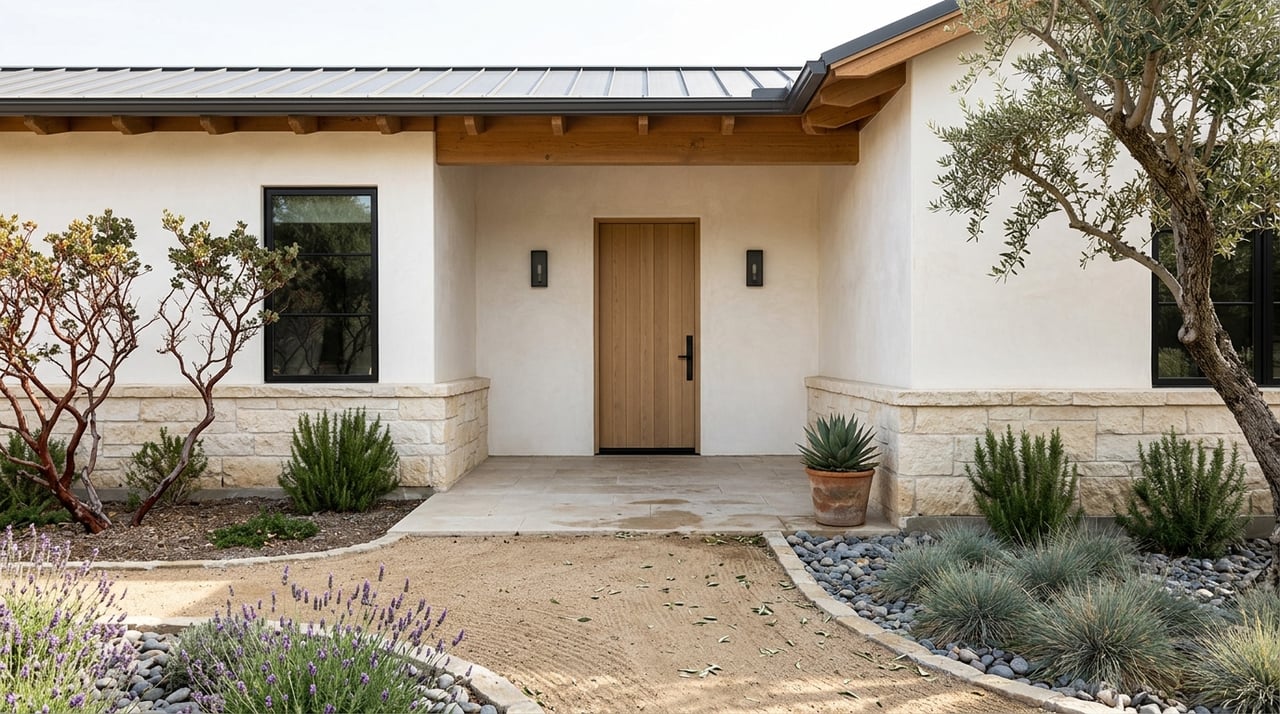
What To Know Before Buying A Weekend Home In Sonoma
May 7, 2026
May 7, 2026
If your ideal weekend starts with a slower pace, open space, and a glass of wine by late afternoon, Sonoma can make that vision feel very real. But buying a second home here is not just about finding a beautiful property. You also need to understand how location, utilities, safety planning, and local rules can shape the way you actually use the home. Let’s dive in.
Before you focus on finishes, views, or lot size, think about how you want your weekends to feel. Sonoma Valley stretches about 17 miles and includes the city of Sonoma, Glen Ellen, Kenwood, The Springs, and Carneros. It sits roughly 45 miles north of San Francisco and offers wineries, parks, hiking, biking, and a well-developed visitor infrastructure.
That range is part of Sonoma’s appeal, but it also means one area can live very differently from another. The best weekend home is usually the one that fits your rhythm, not just your budget or wishlist.
If you picture walking to coffee, dinner, the farmers market, or local events, a home near Sonoma Plaza may be the right fit. The Plaza is an eight-acre National Historic Landmark and a central gathering place in the city.
This setting tends to suit buyers who want convenience, walkability, and a lively town-center feel. It can also come with added planning considerations if the home sits in an area shaped by historic preservation or design review.
If you prefer a more open, rural feel, Carneros may be worth a closer look. This area is known for vineyards, marshland, rolling landscapes, and cooling patterns like afternoon breezes and early morning fog.
That setting often feels peaceful and spacious, but it may also come with a different maintenance routine than an in-town property. Landscaping, irrigation, and site exposure can become more important when you are away for part of the week.
If privacy and outdoor access are high on your list, the wooded edges of the valley may appeal to you. Sonoma Valley includes forested areas and access to places like Jack London Historic State Park, Sugarloaf Ridge State Park, and the Sonoma Overlook Trail.
These homes can offer a quieter retreat, but they usually require more attention to upkeep and wildfire readiness. A more secluded setting can be wonderful for weekends, as long as you go in with clear expectations about ongoing care.
Sonoma’s weather supports the lifestyle many buyers want, but it also affects how a second home is maintained. NOAA data for Sonoma shows an annual mean temperature of 59.0°F and about 28.35 inches of annual precipitation, with most rain falling in winter and almost no rainfall in July.
In practical terms, that means dry-season upkeep matters. If you are buying a weekend home with a yard, vineyard views, or larger grounds, you should expect irrigation, seasonal landscaping, and regular property checks to be part of ownership.
The valley also gets coastal fog that can cool summer nights. That can be part of the charm, but it is another reminder that micro-locations in Sonoma can feel different from one another.
One of the biggest surprises for Bay Area buyers is how much utility infrastructure can change from one Sonoma property to the next. A home in the City of Sonoma may have a very different setup than one just outside city limits.
In the city, water comes primarily from Sonoma Water via aqueduct and wells, and wastewater collection and treatment are handled by the Sonoma Valley County Sanitation District. Outside the city, unincorporated Sonoma Valley customers may be directed to the Valley of the Moon Water District.
If you are looking at a rural or outlying property, do not assume it will be on public water and sewer. Some homes rely on private wells or onsite wastewater systems instead.
That matters because Sonoma County states that private well water is not regulated by a government agency, and the property owner is responsible for testing the water supply. If a home uses a non-standard onsite wastewater treatment system, Sonoma County’s operational-permit program may require monitoring twice a year, typically in March and October.
For a weekend home, that means you will want to review well and septic history early. These are not small details to sort out after you fall in love with a property.
Even routine setup can affect your first weekend in the home. The City of Sonoma notes that new water service can usually begin within 24 hours after a completed form and deposit are received, but service is not started or stopped on Fridays, Saturdays, Sundays, or major holidays.
If you are closing near the end of the week, that timing matters. It is one more reason to coordinate service changes before your first stay rather than assuming everything can be handled on arrival.
In Sonoma, wildfire planning should be treated as a core ownership issue from day one. It is especially important if you are considering wooded, hillside, or more rural properties.
CAL FIRE classifies land by fire hazard severity, and Sonoma County encourages residents to use address-based evacuation tools. The City of Sonoma also tells owners to learn their evacuation zone ahead of time.
Two properties that seem close together can have very different planning needs. That is why it is important to ask about evacuation zones and not just scenic appeal or privacy.
If you will only be at the property part-time, you should also think through how you would receive alerts, access the home quickly if needed, and manage emergencies while away.
CAL FIRE states that 100 feet of defensible space is required by law. Sonoma County and CAL FIRE both frame defensible space and home hardening as basic parts of wildfire preparedness.
For buyers, this means landscape management and exterior building features deserve real attention during due diligence. A wooded setting may be beautiful, but it often comes with more than a simple gardening schedule.
Sonoma County’s SoCoAlert system encourages residents to sign up for emergency notifications. The county evacuation map is used for fire, flood, earthquake, and power-outage threats, so emergency planning is broader than wildfire alone.
If the property has a gate or restricted access, Sonoma County also allows gate-code registration so dispatch can relay the code during an emergency response. For a second home that may sit empty between visits, that is a practical step worth handling early.
Some Sonoma buyers start with a simple goal: buy a home for personal use now and keep future options open. That is reasonable, but in Sonoma, local use rules can materially affect what those options look like.
If you are considering an older home near the Plaza or in another character-sensitive area, look closely at whether design review or historic preservation rules may apply. The City of Sonoma’s Historic Preservation Commission works to protect the city’s architectural heritage and promote excellence in town design.
That does not mean you should avoid these homes. It does mean exterior changes, additions, or visible alterations may need an early planning review before you commit.
Short-term rental assumptions can also create problems if you do not check the rules first. In the City of Sonoma, new vacation rentals are prohibited, existing licensed vacation rentals may continue, and ADUs cannot be rented short term for less than 30 days.
In unincorporated Sonoma County, Permit Sonoma regulates vacation rentals through permits, licenses, certified property managers, and performance standards. The takeaway is simple: evaluate a Sonoma weekend home first as a lifestyle purchase, not as a flexible short-term rental asset.
A focused property search starts with the right local questions. In Sonoma, these questions can help you avoid wasted time and quickly identify which homes truly fit your goals.
These questions are especially important for second-home buyers because the goal is not only to buy well. It is to own with fewer surprises and more confidence.
Weekend homes are emotional purchases, but the strongest decisions usually come from clear, local due diligence. In Sonoma, the right home is not just the one with the prettiest setting. It is the one that fits how you want to live, how much upkeep you want to manage, and what constraints come with the parcel.
A thoughtful buying process can help you compare in-town convenience, rural privacy, utility setup, safety planning, and future flexibility with a more informed lens. If you are considering a weekend home in Sonoma and want a discreet, highly guided approach, Nathalie Kemp can help you evaluate the details that matter before you make your move.
Stay up to date on the latest real estate trends.

We take a team approach with our clients, assuring that their decisions to either buy or sell are made with all the facts and current details at hand. Our goal is to keep the process smooth, fun, and simple, and to keep our clients well-informed and protected.