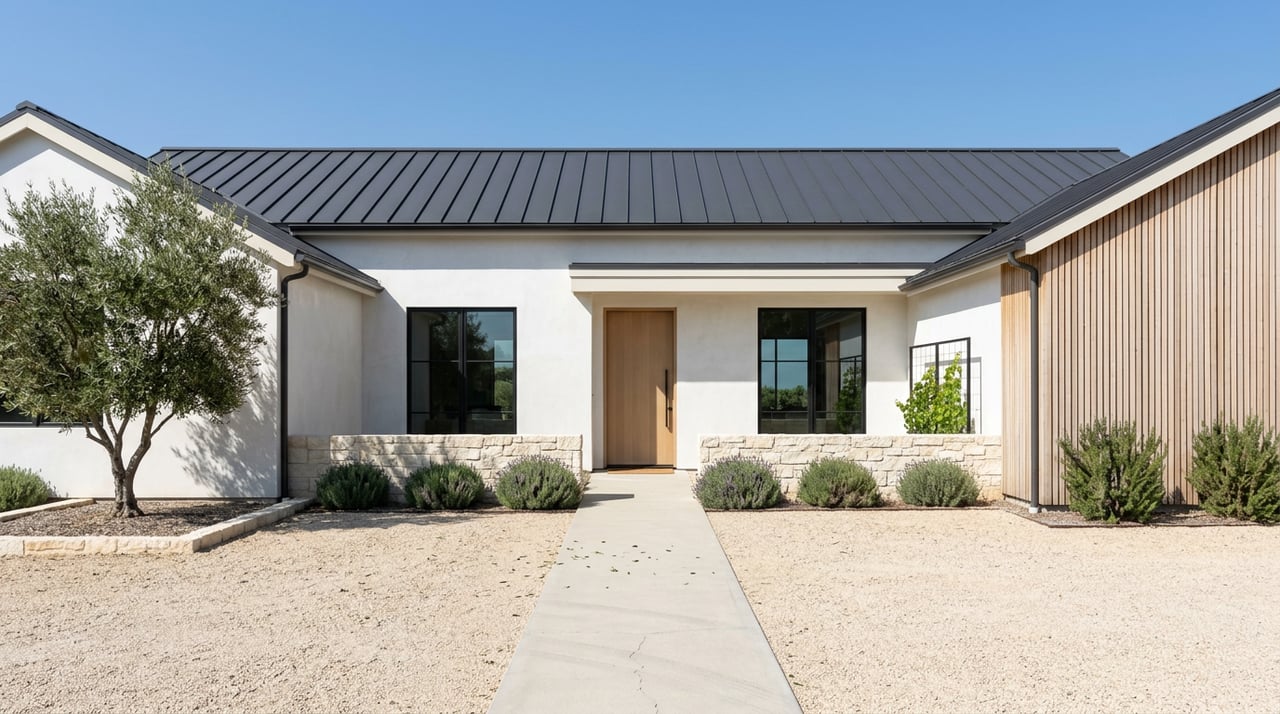
Napa vs Sonoma Real Estate: Choosing Your Wine Country Fit
March 24, 2026
March 24, 2026
Trying to choose between Napa and Sonoma for your Wine Country home base? You’re not alone. Both offer incredible food, wine, and scenery, yet they feel different day to day and work differently when it comes to property types, short-term rentals, insurance, and access. In this guide, you’ll get a clear, side-by-side view of lifestyle, homes, budget signals, and the practical checks you should run before you buy. Let’s dive in.
If you have been scanning headlines, you’ve likely seen different “median price” numbers for the same place. That’s normal in Wine Country. As of February 2026, Redfin’s county-level data shows a median closed sale price around $830K in Napa County and about $781K in Sonoma County. Other outlets often publish higher city or listing medians. What matters is the exact metric and date you’re looking at.
Bottom line: use the medians as a guidepost, not a verdict, and compare similar property types when you evaluate value.
The City of Napa centers on First Street, the riverfront, and Oxbow Public Market. It pairs tasting rooms and high-end retail with a deep bench of restaurants and hotels. Nearby Yountville concentrates Michelin-level dining and resort experiences. If you want a home base that feels polished and service-forward, Napa or Yountville often fits. Explore the scene at Visit Napa Valley.
Healdsburg offers a relaxed plaza, chef-driven dining, and access to Dry Creek and Alexander Valley. It competes on dining with spots like the Michelin three-star SingleThread in Healdsburg, yet it keeps a small-town scale. Sonoma’s historic plaza feels quieter and more “town square” than Napa’s riverfront. Across the county you’ll also find Russian River towns and coastal hamlets. For a broad view of the county’s options, start with Sonoma County Tourism.
Napa leans event-driven with marquee draws like BottleRock and high-visibility wine auctions. Sonoma’s calendar leans more local with community and agriculture-focused events. Both counties get busiest from late summer through harvest.
In the City of Napa you’ll find downtown and riverfront condos and townhomes, plus established single-family neighborhoods. Up-valley areas like Yountville, Oakville, Rutherford, St. Helena, and Calistoga include vineyard estates, estate lots, and purpose-built winery properties. Napa tends to have a higher concentration of branded vineyard estates and resort-adjacent properties. For a quick sense of the visitor and amenity map, browse Visit Napa Valley.
Sonoma County casts a wider net. You can shop walkable town cores in Healdsburg, Sonoma, and Petaluma, look for acreage in Dry Creek, Alexander Valley, and Russian River areas, or target the coast around Bodega Bay. Some pockets rival Napa’s trophy estates, while other areas offer more house or land for the money. Start exploring neighborhoods and landscapes at Sonoma County Tourism.
Use current local MLS data to map these tiers to active price bands in your exact town of interest.
Regulation meaningfully differs between Napa and Sonoma. If rental potential is part of your plan, put permitting at the top of your checklist.
Tip: Verify permit status in writing before you write an income line into your pro forma. Even a compliant property can lose eligibility if caps are met or zoning changes.
California property taxes follow Proposition 13. Expect a base 1% of assessed value plus voter-approved local levies, with annual assessment increases typically capped unless you substantially improve or transfer the property. Because bonds and special assessments vary by parcel, pull a parcel-specific estimate from county resources like the Napa County Assessor.
Parts of both counties fall within Moderate, High, or Very High Fire Hazard Severity Zones. Designations can affect building standards, defensible-space requirements, and disclosures. Check a property’s current FHSZ status early in due diligence using county and Cal FIRE tools. Napa County’s update page is a good starting point: Fire Hazard Severity Zone information.
Insurance availability and pricing have been volatile statewide. Some carriers have paused new policies or issued nonrenewals, and the California FAIR Plan remains a last-resort option. Budget time and funds for proactive wildfire hardening, and get quotes before you waive contingencies. For current consumer protections and program changes, see the California Department of Insurance’s recent update: Commissioner announces actions protecting homeowners.
From the Bay Area, you can reach both valleys by car. Typical drive times swing with traffic, so plan for a wider range on weekends or event weeks. For flights, larger hubs include SFO and OAK. Santa Rosa’s Charles M. Schulz–Sonoma County Airport (STS) offers limited commercial service that is convenient for many Sonoma-area buyers. Napa County Airport (APC) primarily serves general aviation and charter flights. For visitor logistics and route planning, check Visit Napa Valley.
Wine Country has a seasonal cadence. Spring and late summer often bring more listings and buyer activity. Winter can offer quieter windows to negotiate. Wherever you buy, put the practical checklist first:
A great local advisor will help you verify permits, model carrying costs, and surface on- and off-market options that fit your brief.
Ready to explore Wine Country with a design-forward, boutique approach tailored to you? Reach out to Nathalie Kemp for discreet guidance and a curated, efficient search.
Stay up to date on the latest real estate trends.



We take a team approach with our clients, assuring that their decisions to either buy or sell are made with all the facts and current details at hand. Our goal is to keep the process smooth, fun, and simple, and to keep our clients well-informed and protected.