Picture yourself stepping onto a sunlit porch under redwoods, or opening a wall of glass to a ridge view. If you are shopping in Mill Valley, architecture shapes how you live day to day, from light and storage to maintenance and insurance. This guide gives you a clear look at the four dominant local styles, how they perform in our climate, what to inspect, and what to expect if you plan to renovate. Let’s dive in.
Mill Valley’s landscape shapes design
Mill Valley spans creekside flats and steep, wooded hillsides on the slopes of Mt. Tamalpais. That topography influences foundations, drainage, and how homes capture views. You will see earlier shingle and craftsman cottages closer to downtown, and more mid-century or contemporary homes on the hills.
Site factors matter for budget and comfort. Hillside projects often require geotechnical and structural engineering, and most older homes need some level of seismic strengthening. Wildfire exposure, damp coastal air, and occasional flooding in low-lying areas all shape inspection priorities and long-term planning.
Shingle homes: character and care
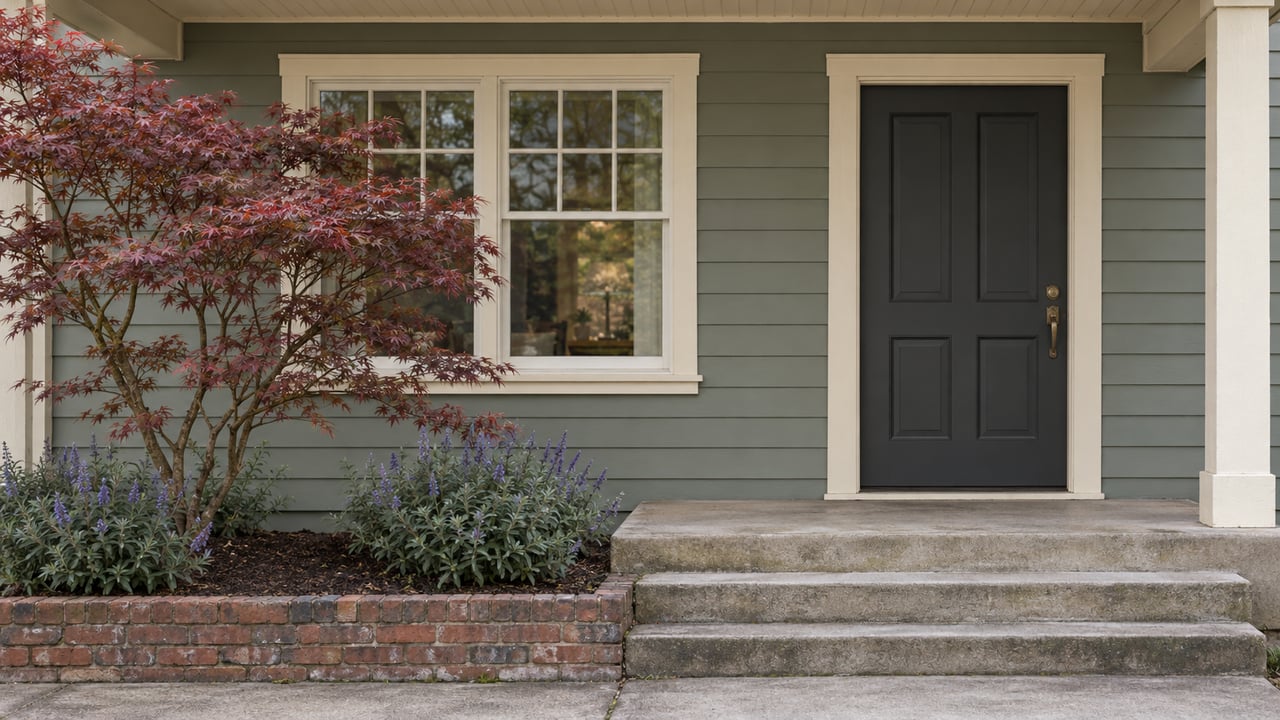
What you’ll notice
- Wood shingle siding (often cedar) with simple gabled roofs and porches.
- Multi-pane wood windows and occasional exposed rafters.
- Modest footprints with cozy rooms and attic spaces.
How they live
- Inviting indoor–outdoor flow with porches and garden connections.
- Original kitchens and closets can feel small by today’s standards.
- The shingle exterior suits Mill Valley’s look but needs moisture management.
Smart updates
- Open-plan kitchen renovations and thoughtful reconfiguration of attics or basements.
- Shingle repair or replacement with proper flashing and improved insulation.
- Electrical and HVAC upgrades for safety and comfort.
- Additions are often second-story or rear bump-outs and may require design review.
Inspection priorities
- Shingle condition: rot, cupping, mold, and paint or stain cycles.
- Roof, attic ventilation, gutters, and underfloor moisture control.
- Termite and wood decay where wood meets soil.
- Note historic details if the home is in a designated area.
Craftsman and bungalows: warm and efficient
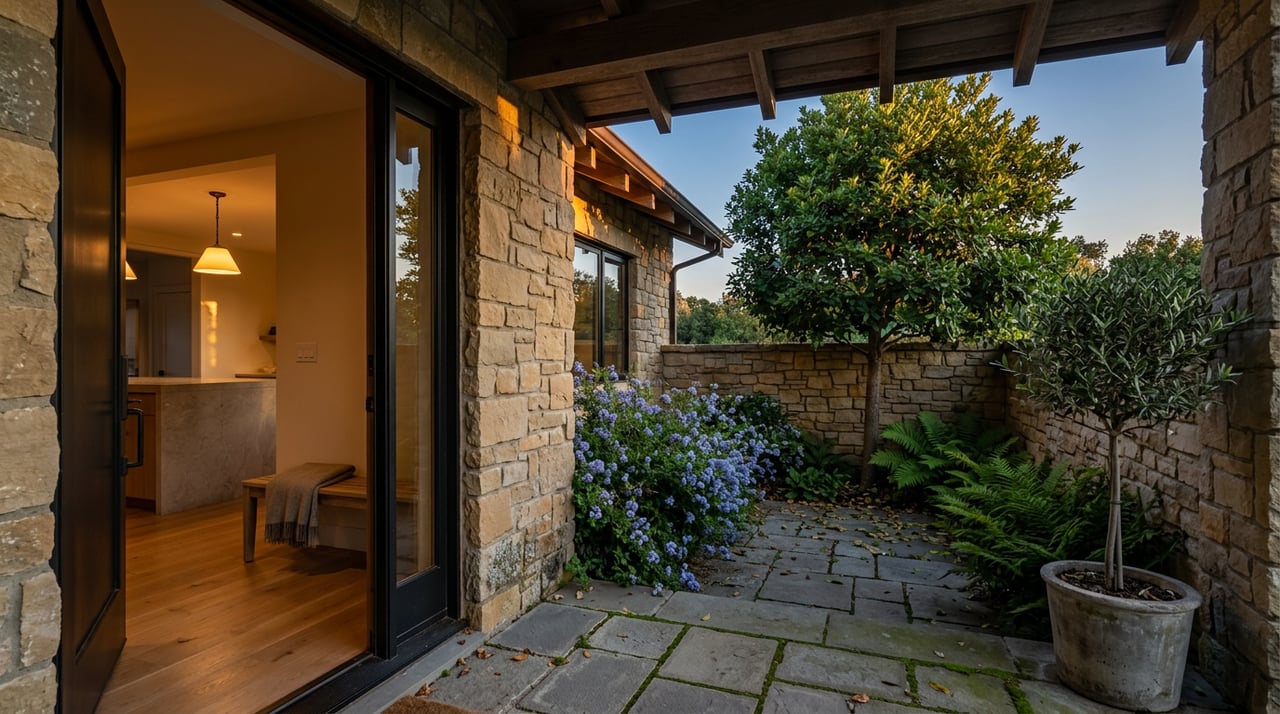
What you’ll notice
- Low-slung roofs, wide eaves, and tapered porch columns on piers.
- Built-in cabinetry and detailed woodwork with multi-pane over single-pane windows.
- Compact floor plans with prominent front porches.
How they live
- Strong craftsmanship with built-ins that maximize smaller footprints.
- Often lower ceiling heights and limited storage or garage space.
- Charming central living spaces suited to daily routines.
Smart updates
- Kitchen and bath modernization while keeping period character.
- Electrical and plumbing upgrades; insulation improvements.
- Sensitive window restoration to preserve aesthetics and function.
- Additions can be constrained by lot size and design review.
Inspection priorities
- Older wiring and panels, possible early-era materials to replace.
- Galvanized supply lines or cast-iron drains to evaluate.
- Wood rot at porch posts and trim; paint and stain upkeep.
- Document or preserve notable historic features if designated.
Mid-century modern: light and views
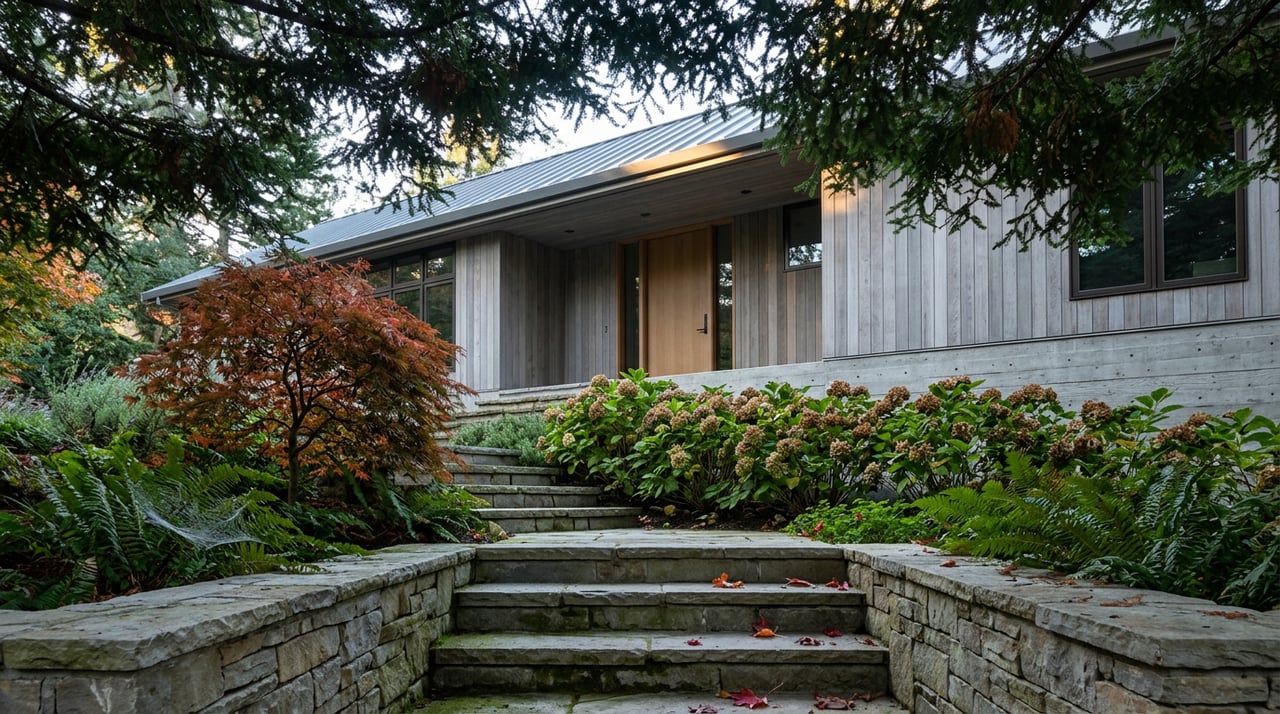
What you’ll notice
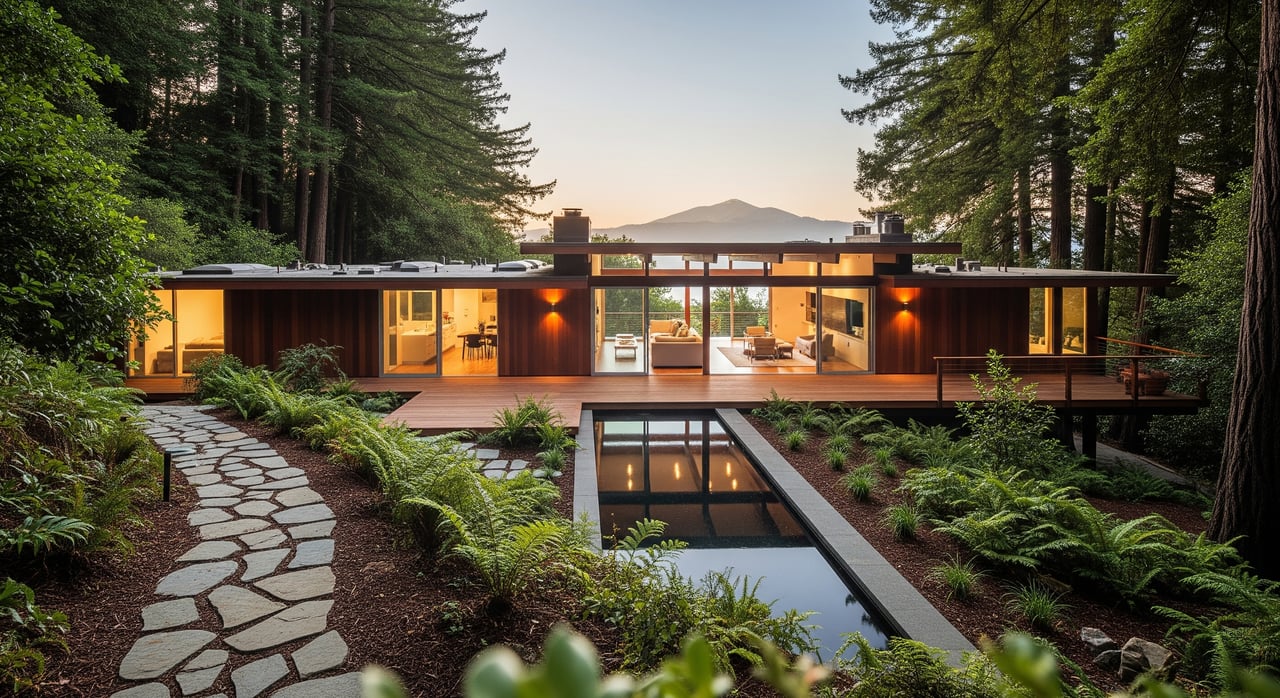
- Open plans with large picture windows, sliding glass doors, and clerestories.
- Flat or low-slope roofs and simple lines.
- Many hillside homes oriented for views.
How they live
- Daylight and views make spaces feel larger than the footprint.
- Often single-level living with possible split levels.
- Early examples may have compact kitchens, single-pane glass, and limited insulation.
Smart updates
- Insulation and window upgrades, kitchen modernization, and HVAC improvements.
- Seismic strengthening of foundations and cripple walls.
- Roof replacement for flat or low-slope systems and drainage improvements.
Inspection priorities
- Roof membranes and flashings, especially around wide glass spans.
- Deck and balcony framing for hidden moisture damage.
- Thermal performance: single-pane glass, minimal insulation, duct leaks.
- Unreinforced masonry chimneys or unbraced cripple walls.
Contemporary builds: systems and hillside design
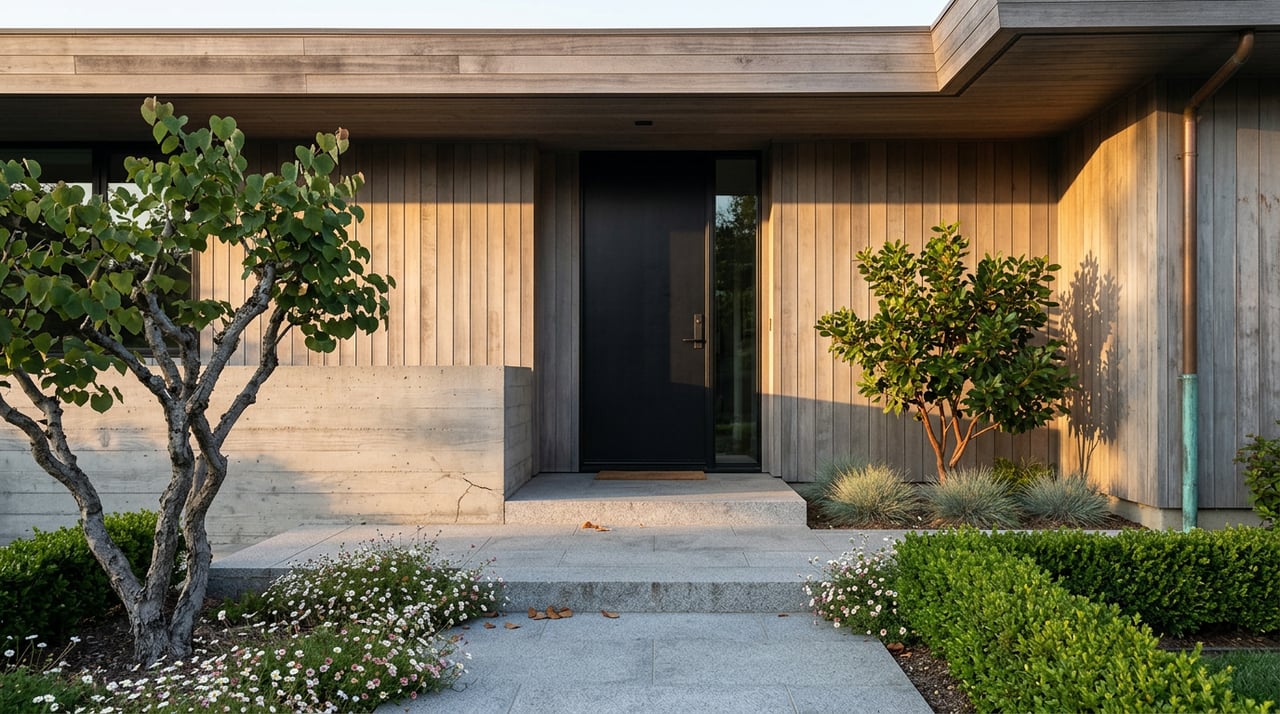
What you’ll notice
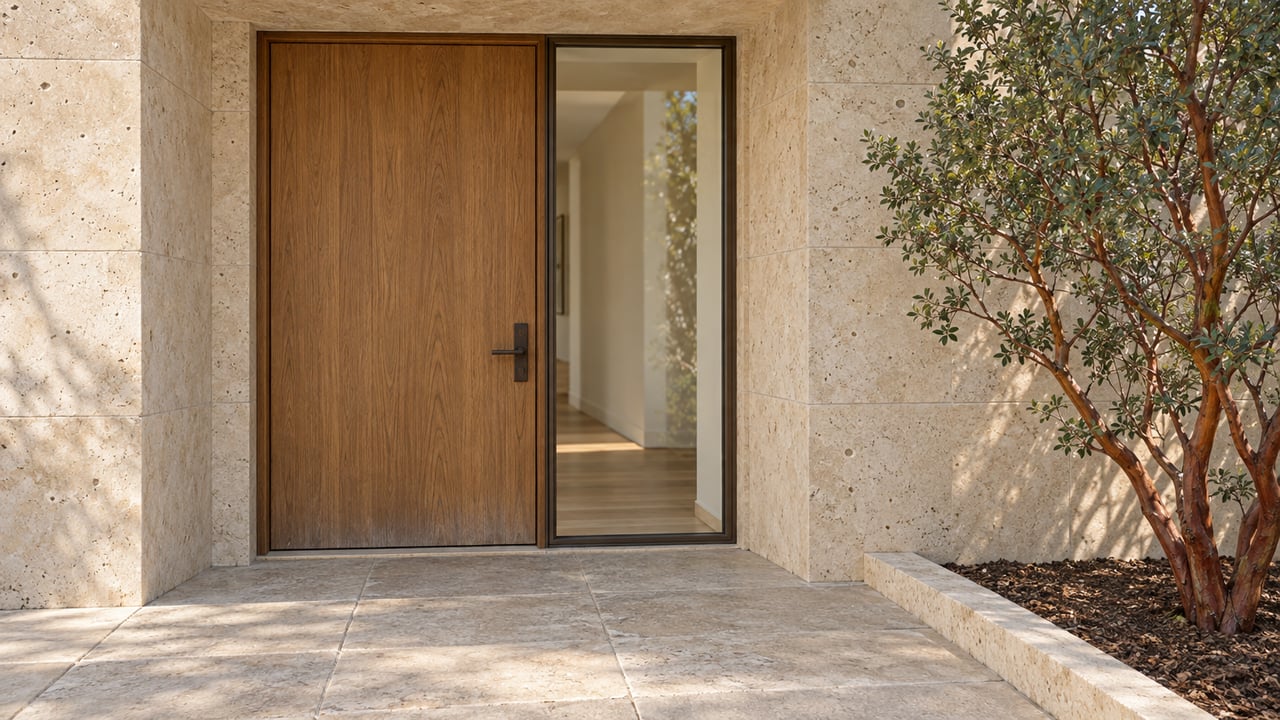
- Clean lines, large glazing, and modern materials like steel, glass, concrete, or fiber-cement.
- Open kitchens, higher ceilings, and integrated mechanicals.
- Multi-level solutions to maximize hillside views.
How they live
- Designed for modern living with efficient layouts and advanced systems.
- On steep lots, expect stairs or even elevators and less flat yard space.
- Newer homes often emphasize energy efficiency.
Smart updates
- Cosmetic refreshes, energy retrofits, or smart home system upgrades.
- Additions and major site work typically require geotechnical input.
- Landscape updates to improve fire resilience.
Inspection priorities
- Building envelope joints and sealants at complex glass interfaces.
- Deck and terrace waterproofing and roof drainage.
- Retaining walls, grading, and slope stabilization.
- Documentation and maintenance for heat pumps, solar, and battery systems.
Site, climate, and code realities
Hillsides and foundations
Many hillside homes use pier-and-beam, caissons, or stepped foundations. Retaining walls can be engineered or older landscape walls. For additions, retaining walls, or significant foundation work, expect to involve a geotechnical engineer. Good site drainage and vegetation management help prevent slope movement and foundation issues.
Seismic readiness
Pre-1970 homes may lack modern seismic detailing. Common retrofit measures include bolting sill plates, bracing cripple walls, and securing chimneys. A structural evaluation is wise for older houses or those with complex hillside geometry.
Wildfire defensible space
Mill Valley sits within the Wildland–Urban Interface. Plan for defensible space around the home, ember-resistant vents, enclosed eaves, and ignition-resistant materials. Ongoing vegetation management improves safety and can help with insurance.
Flooding and drainage in the flats
Homes near Richardson Bay and local creeks can fall within flood zones. Confirm floodplain status and any elevation certificates. Renovations in affected areas may require stormwater controls and floodproofing measures.
Permits and design review
The City of Mill Valley requires permits for most structural, electrical, plumbing, and mechanical work. Many exterior remodels or additions trigger design review, and designated historic properties may have added limits. Hillside projects often require geotechnical reports, engineered grading, and drainage plans.
Energy and electrification
Local electricity options include programs that support cleaner energy. Regional incentives may be available for heat pumps, insulation, and EV charging, and contractor networks exist to help you plan upgrades. Verify current rebates and requirements with program administrators before you begin.
Plan your renovation path
- Cosmetic updates: kitchens, baths, paint, and flooring are usually straightforward, unless you move walls.
- Systems upgrades: panel increases, HVAC replacement, or repiping require permits and licensed trades. Older homes often benefit from comprehensive updates.
- Envelope work: siding, windows, or roof replacement is medium complexity. Coordinate with waterproofing and insulation.
- Structural or site work: additions, hillside grading, retaining walls, and foundation strengthening are complex and time-consuming. Budget for engineering, design review, and longer timelines.
Bay Area construction costs are higher than national averages. Build in time for permitting and for surprises like hidden rot or legacy materials in older homes. Projects needing geotechnical work typically add months for studies and plan checks.
Your Mill Valley due diligence checklist
- Shingle: exterior shingle health, flashing, gutters, porch and deck framing, crawlspace moisture, termite activity.
- Craftsman: electrical and plumbing history, foundation and roof condition, woodwork integrity.
- Mid-century: roof membranes, large glass seals, insulation levels, deck waterproofing, seismic gaps.
- Contemporary: envelope sealants, terrace waterproofing, retaining walls and drainage, documentation for heat pumps or solar.
- All homes: chimney condition, sewer connection type, slope stability, driveway access, and tree root impacts.
Who to hire
- Home inspector with hillside and Bay Area experience.
- Structural engineer for older, mid-century post-and-beam, or hillside homes.
- Geotechnical engineer for steep lots, slide areas, or major grading.
- Architect or designer familiar with Mill Valley design review.
- Historic preservation consultant for designated or high-integrity homes.
- Landscape architect versed in defensible space and local plantings.
- General contractor with proven local work and licensing.
- Energy program advisor for electrification and efficiency incentives.
Ready to tour with a plan?
If you want a clear-eyed, design-forward path to the right Mill Valley home, let’s talk about your wish list, inspection strategy, and how to position you for success. Reach out to Nathalie Kemp for a discreet, concierge-level consultation tailored to your goals.
FAQs
What are the main home styles in Mill Valley?
- Shingle, craftsman/bungalow, mid-century modern, and contemporary homes, often grouped by neighborhood age and hillside versus flat locations.
How does Mill Valley’s terrain affect renovation costs?
- Hillside homes frequently need geotechnical and structural engineering for additions, retaining walls, and drainage, which adds cost and time compared to flat lots.
Are older Mill Valley homes at higher seismic risk?
- Many pre-1970 homes lack modern seismic detailing; common retrofits include sill bolting, braced cripple walls, and chimney anchoring after a structural assessment.
What wildfire steps should I plan for as a buyer?
- Maintain defensible space, consider ember-resistant vents and enclosed eaves, and use ignition-resistant materials where feasible to reduce risk and aid insurability.
Where is flooding a concern in Mill Valley?
- Low-lying flats near Richardson Bay and local creeks can be in flood zones; check maps, confirm elevation certificates, and plan for stormwater controls if renovating.
Which style is easiest to make open-plan?
- Mid-century and contemporary homes are usually open already; shingle and craftsman homes can be opened with structural work while respecting character features.